
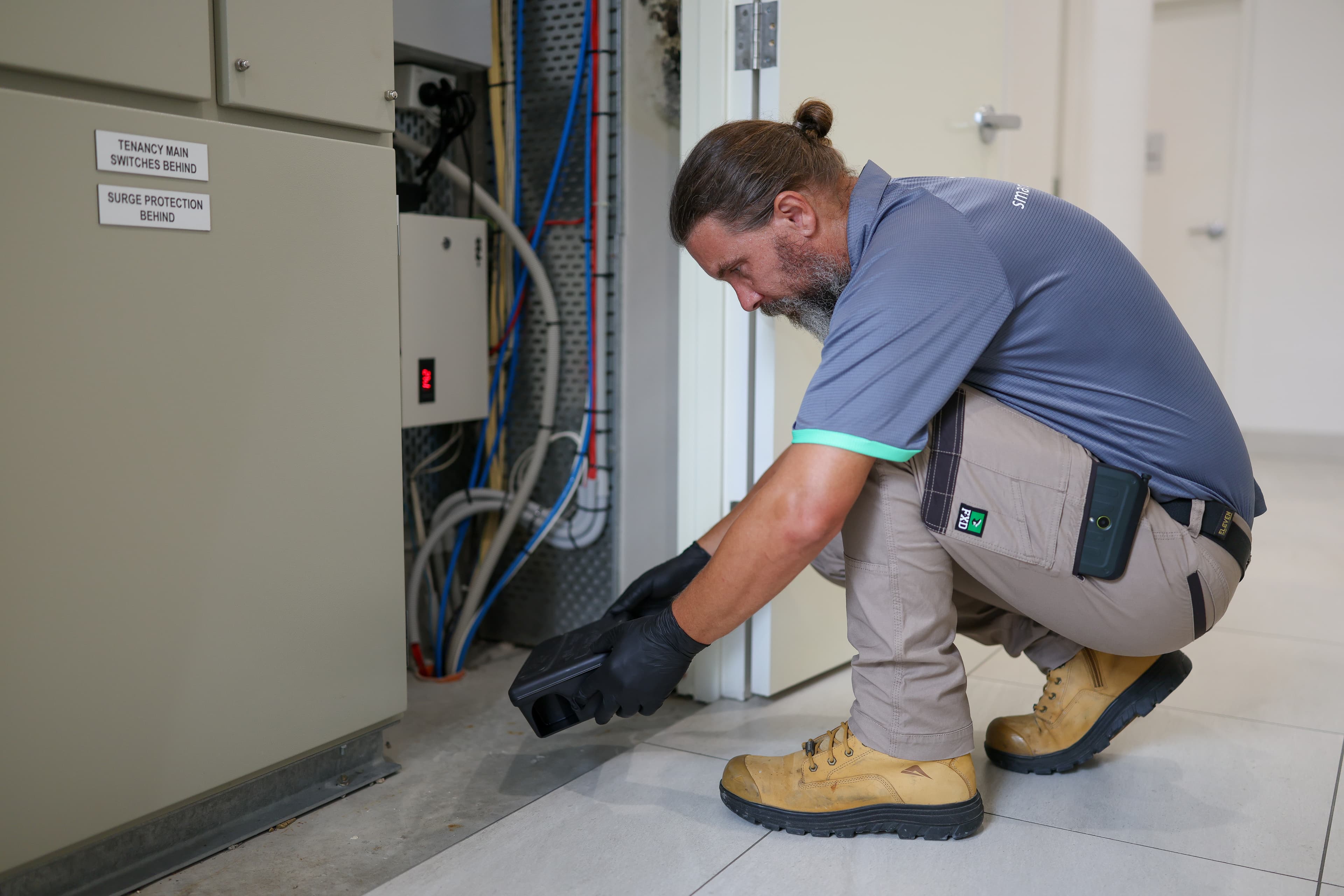
How to keep pest management audit-ready

For facility managers, pest control is not just about eliminating rodents or cockroaches. It’s about demonstrating a systematic, documented program that meets client, regulatory and internal audit requirements. A failed pest audit can trigger operational shutdowns, supply chain delays, and lost contracts.
What auditors look for
Third-party auditors (e.g., for ISO 22000, BRC, SQF, HACCP) typically assess pest management against four criteria:
- Evidence of a documented Integrated Pest Management (IPM) plan: not just a service schedule, but a strategy that identifies risks, control methods and corrective actions.
- Complete service records: every inspection, treatment and monitoring check must be logged with dates, findings and actions taken.
- Trend analysis: auditors want to see if rodent activity is increasing near loading docks or if cockroach counts are spiking seasonally.
- Corrective action logs: what did you do after a finding? Was the gap sealed? Was the bin lid repaired?
Three steps to audit-ready pest control
1. Centralise all records and keep them easily accessible on-site
Auditors need to see a complete, current and easy‑to‑access pest management file, whether that file is physical, digital or a mix of both. Physical on‑site logbooks are still common and perfectly acceptable, provided they are maintained consistently and kept in a known location (e.g., the facility manager’s office or a central binders). The key is not the format, but that every service report, corrective action and product label is filed promptly and can be produced without delay.
A good centralised file should include:
- An up‑to‑date IPM plan.
- Service reports for every visit (including “nil findings”).
- Product safety data sheets (SDS) for any chemical used.
- A log of corrective actions (e.g., sealing gaps, replacing bin lids).
- Trend data or simple charts showing activity over time.
2. Schedule routine inspections even when no pests are visible
Proactive records prove you’re managing risk. Inspections should occur at least monthly for high-risk zones (kitchens, food storage, waste areas) and quarterly for low-risk offices. Each report should include “nil findings” as a positive confirmation, not just omitted.
3. Train front-line staff on early detection
Your cleaning team and maintenance staff are the first line of defence. Provide them with a one-page visual guide to common pest signs: droppings, gnaw marks, grease marks (rodent runs) and unusual odours. Establish a simple reporting system - a WhatsApp group or a dedicated email, so they can alert you before an infestation becomes visible.
How Bittn’s commercial IPM programs support audits
- We provide detailed service reports after every visit, formatted to be audit‑ready, whether you keep them on‑site as hard copies or store them digitally.
- SDS for all products are supplied with each service and can be kept in your central file.
- Quarterly business reviews where we present trend data and recommend facility improvements, giving you a clear record of proactive management.
- Optional digital access to all records, if your facility prefers an online portal, but we never require it: paper‑based systems work equally well.
A final tip
Don’t wait for the week before an audit to gather records. Set up your pest management records from day one and make sure every service report is filed before the service is closed out. That way, you’re always audit-ready.