

The problem.
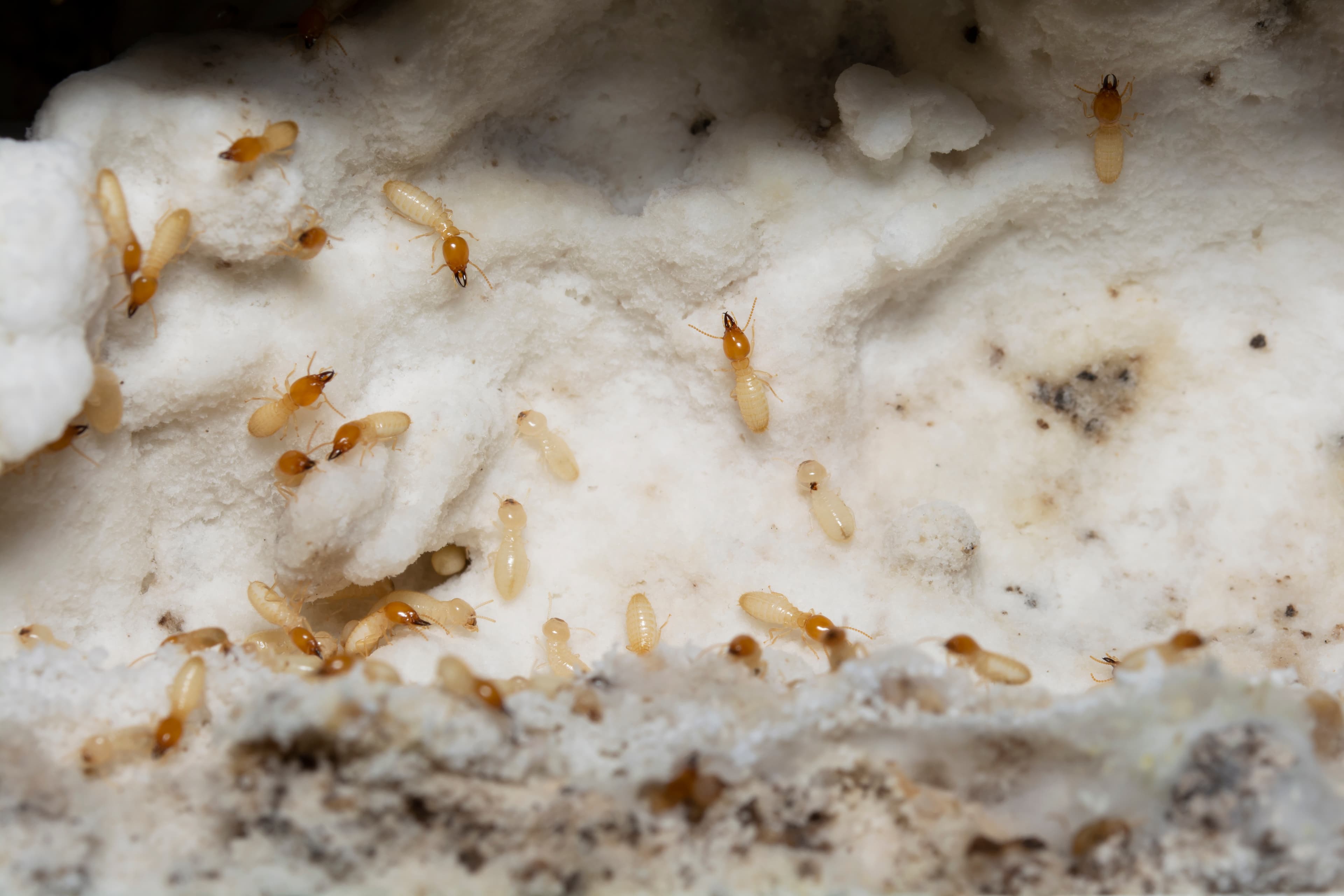
Termites are not always easy to see, hear or find. They can move quietly through the structure of a home, feeding on timber from the inside and using moisture, concealed edges and hidden access points to stay protected.
.jpg&w=3840&q=75)
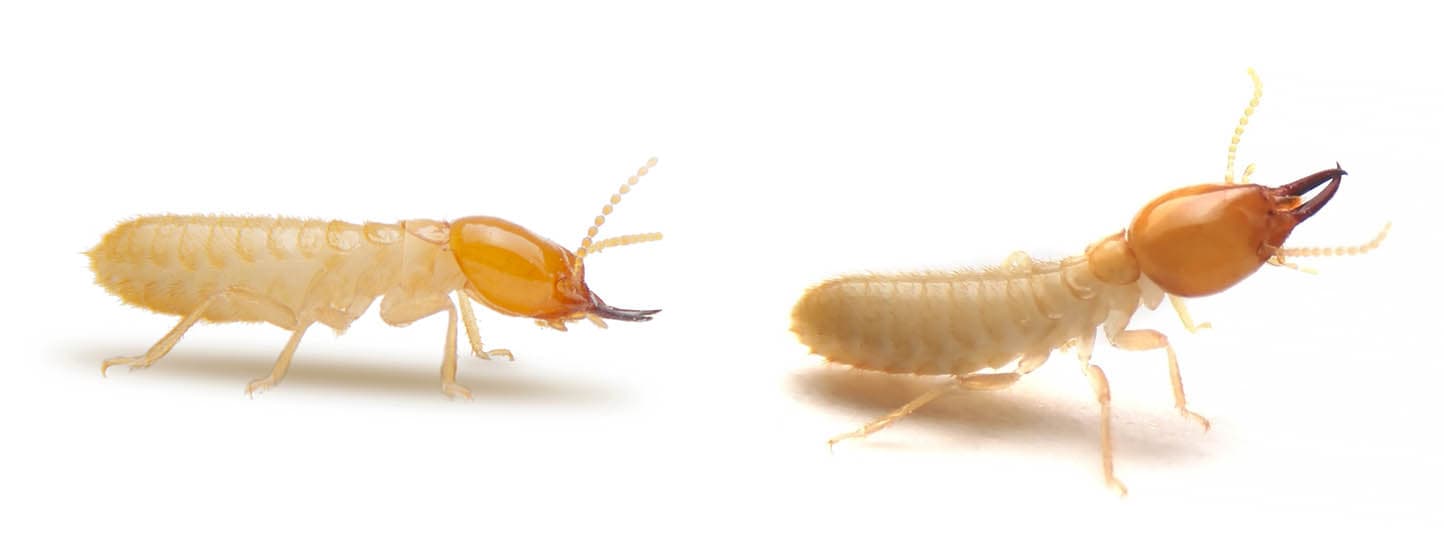
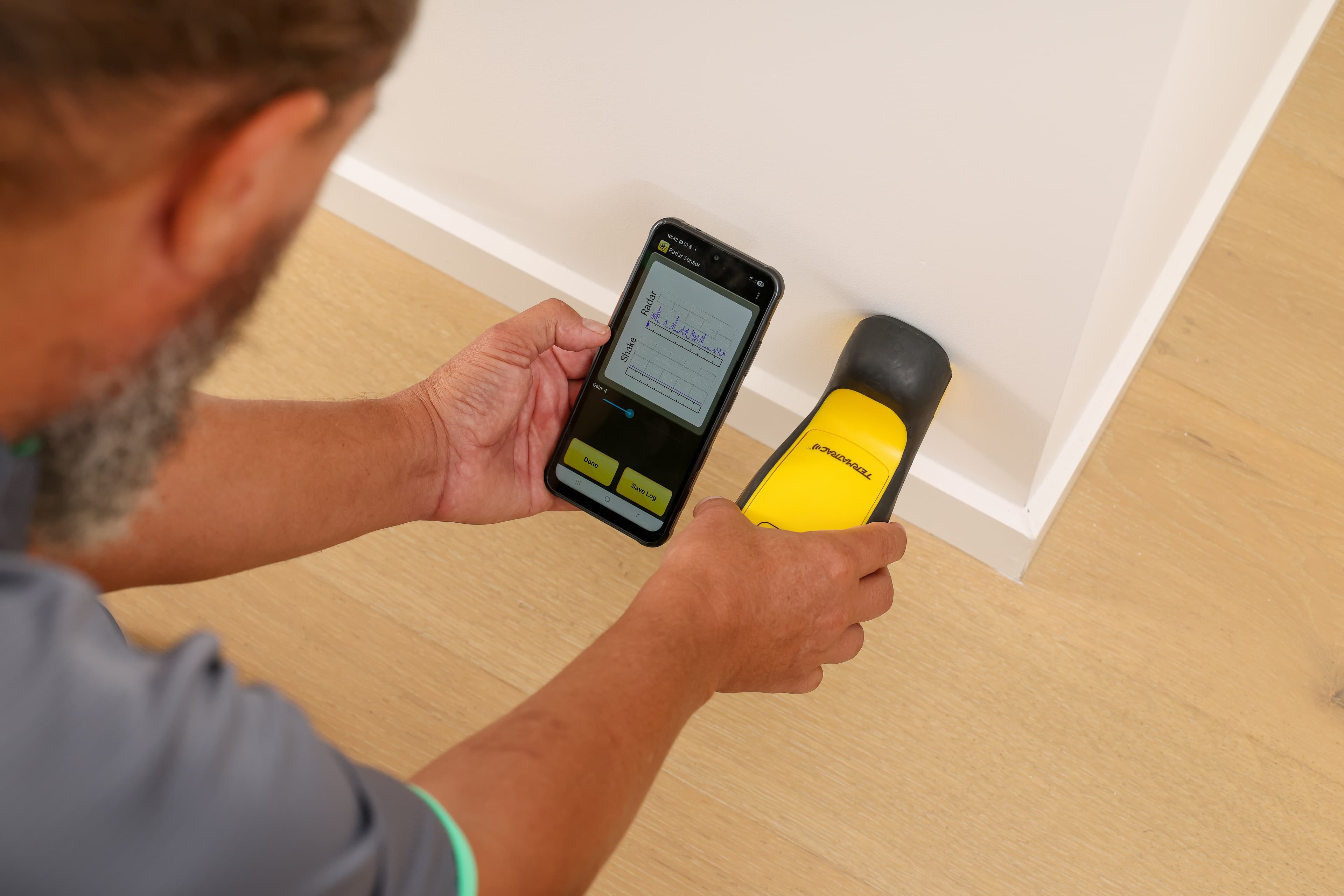
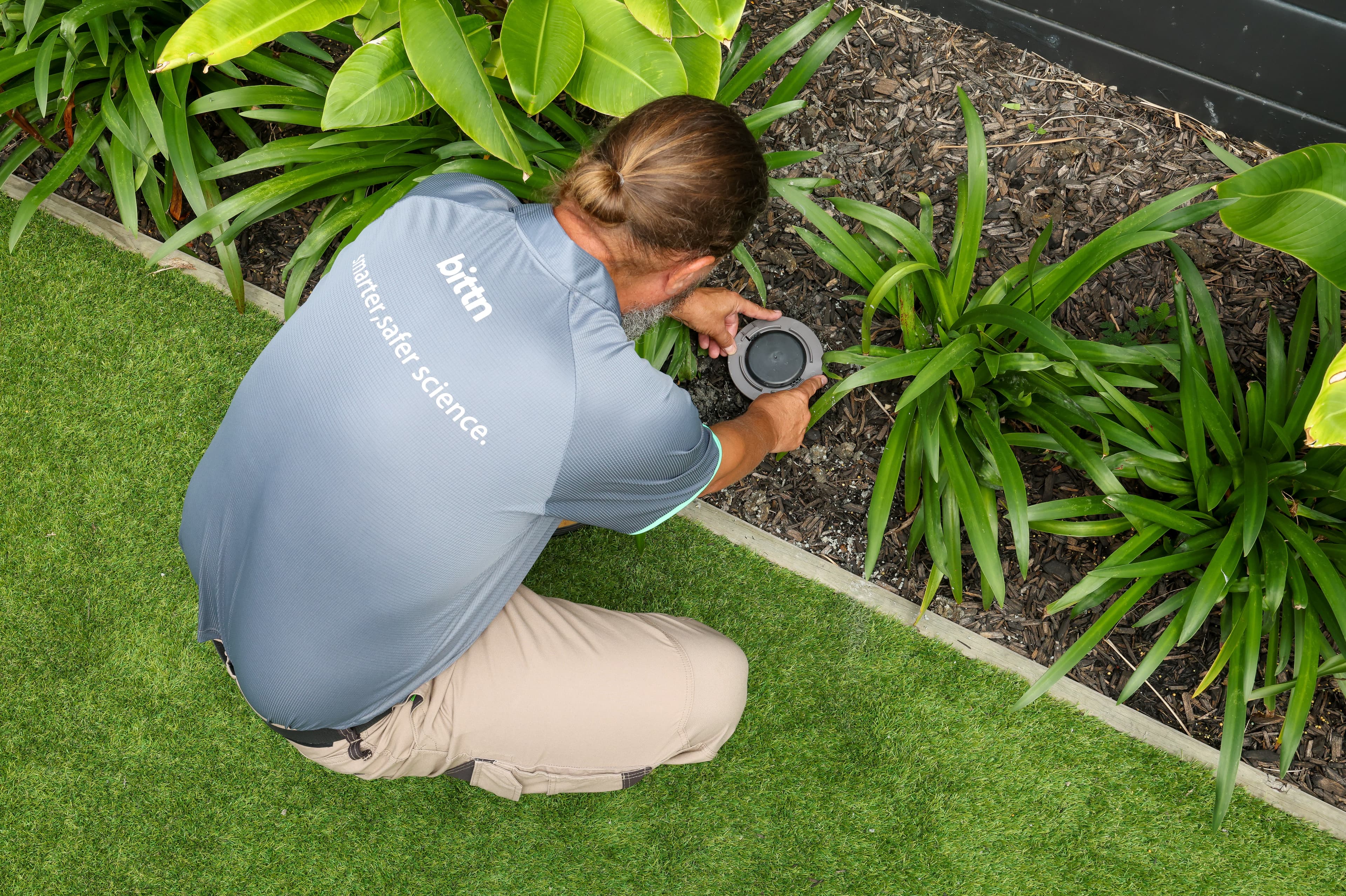
Termites work quietly, but Bittn does not guess. We use smarter inspection methods to make hidden activity visible, then recommend the right treatment and protection pathway to help defend your home from ongoing termite risk.
.jpg&w=3840&q=75)
Termites can cause serious damage long before there are obvious signs. They work through hidden galleries, concealed entry points and protected spaces, often inside timber, walls, subfloors or areas with moisture. By the time damage is visible, the colony may already be well established.
Termites are not always easy to see, hear or find. They can move quietly through the structure of a home, feeding on timber from the inside and using moisture, concealed edges and hidden access points to stay protected.

Bittn takes a full termite management approach. We inspect systematically, use smarter detection methods to help make hidden activity visible, identify risk areas, then recommend the right pathway for treatment, colony control and ongoing protection.
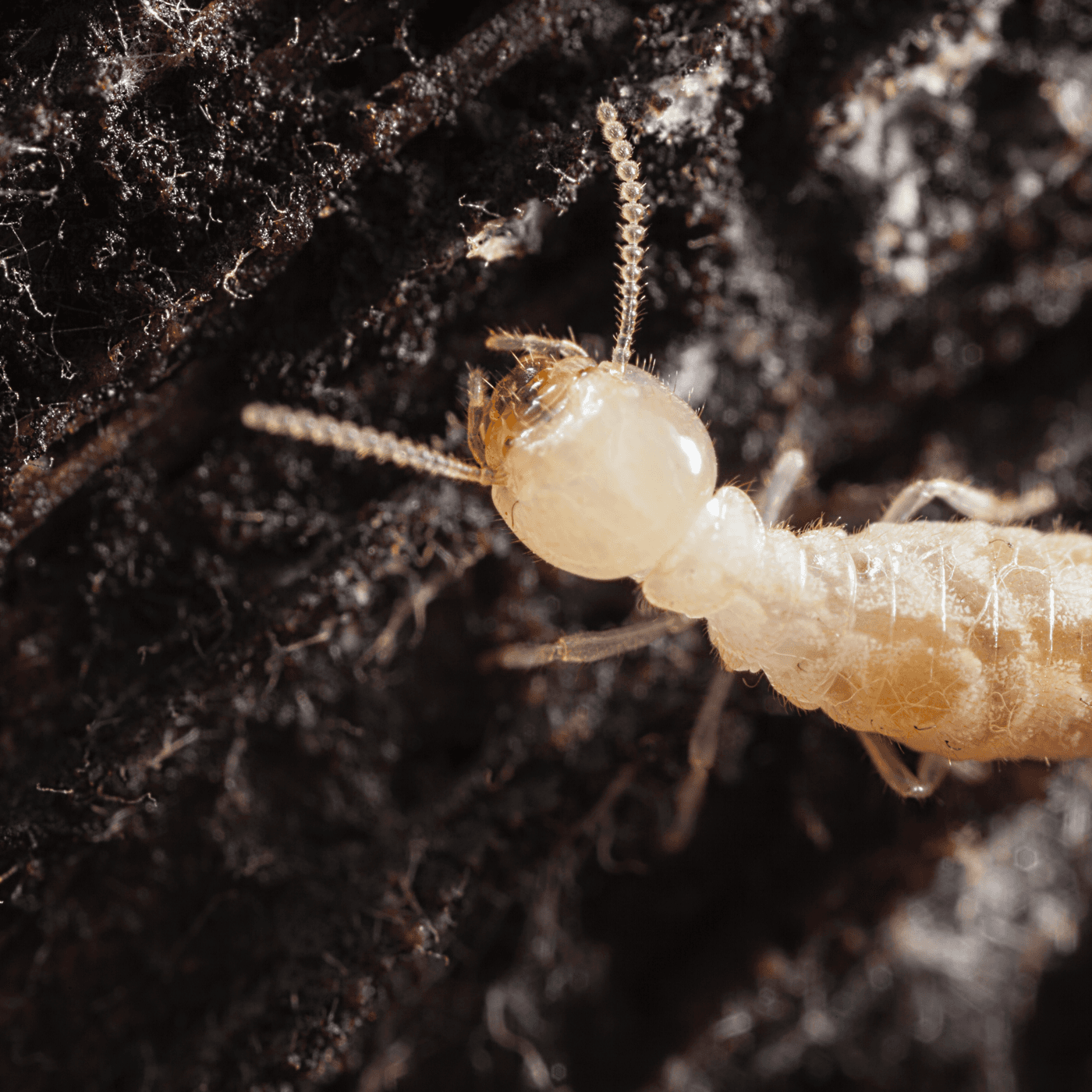
Termite control is not one-size-fits-all. The right pathway depends on whether termites are present, where they are active, how they are entering and what protection already exists around the property.
Termites can work quietly for months before visible damage appears. Book a termite inspection and get a clearer view of what is happening behind the scenes.
Answers to common questions about termite control, inspections, treatment and ongoing protection.
You may notice mud tubes, hollow-sounding timber, damaged skirting boards, tight-fitting doors or windows, discarded wings or moisture-related changes. In many cases, there are no obvious signs, which is why a professional termite inspection is the best place to start.
A termite inspection is used to identify activity, damage, risk areas and conditions that may support termites. Termite treatment is the recommended control method if active termites are found.
We inspect internal and external areas, including accessible subfloors, roof voids, wet areas, perimeter zones, fences, gardens, decks and other timber structures. Some areas may be limited by access, safety or construction conditions.
Your technician will explain where activity was found, what risk areas were identified and what treatment or management pathway is recommended.
DIY sprays can disturb termites and may cause activity to move or split, making the problem harder to manage. If you suspect termites, avoid disturbing them and book a professional termite inspection.
Your technician will explain the treatment method, product use and any safety instructions before work begins. Bittn uses targeted termite management methods suited to the property and recommended treatment pathway.
